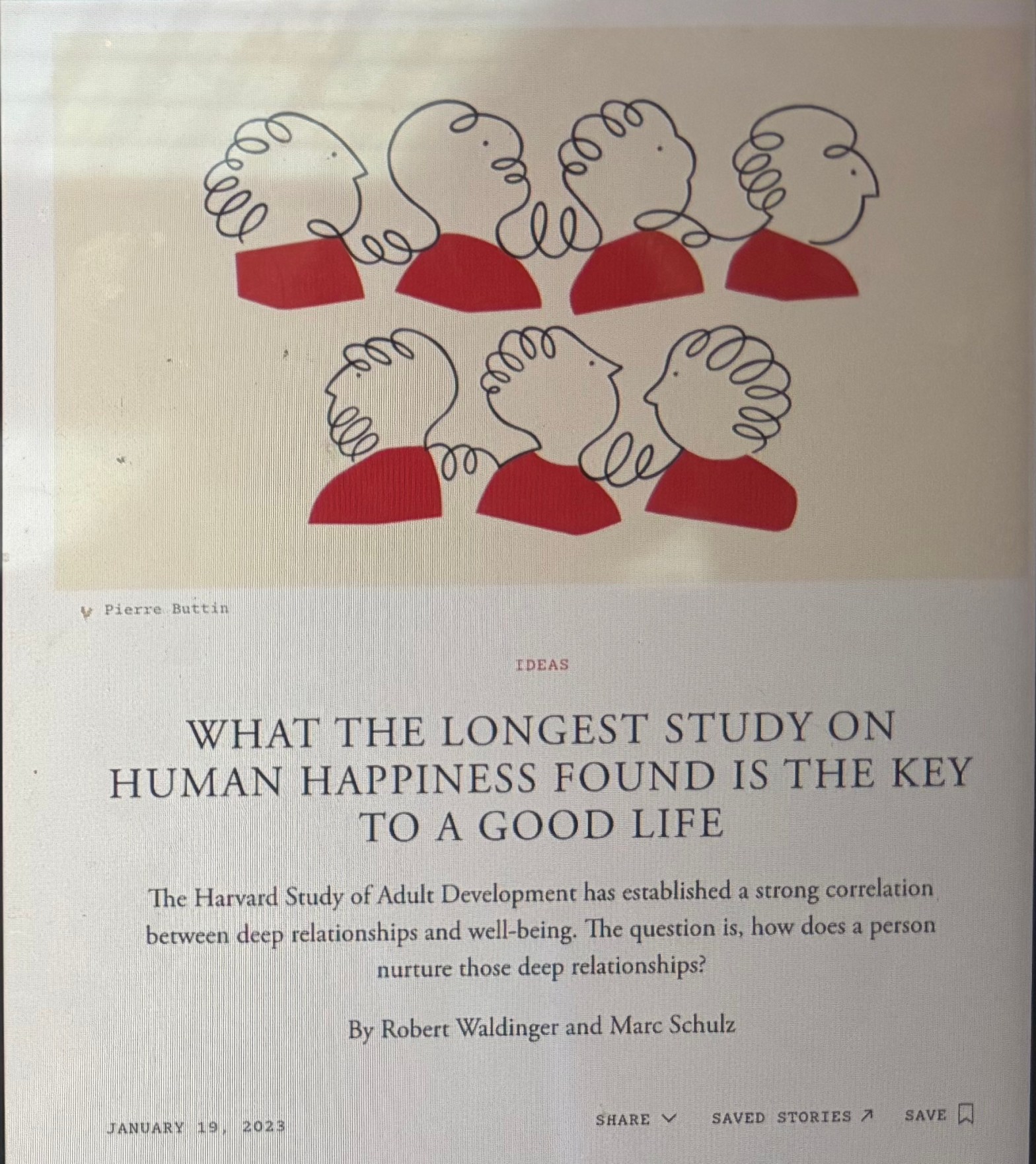
Being happy should be one of the simplest things in the world.
You do the things you love with people whose company feels like a warm hug, and you savor each moment like it’s your last. Well, easier said than done.
Despite spending much of my time studying the psyche of the human mind, I often failed to consider the intricacies of affectual states that society doesn’t label as “problems.” We fixate on what’s going wrong and how to fix it, disregarding the positive in favor of a futile chase toward so-called happiness.
But one ironic truth I’ve learned from studying happiness is that while we think the finish line is always approaching, we’ve actually been running in the opposite direction the entire time. The media we consume, the “keys to success” we repeat, and the mottos we cling to often reinforce the very barriers to joy we think we’re breaking down.
This semester, I’m taking a course called Positive Psychology — the study of how to achieve and sustain long-term happiness. I assumed it would be the class I breezed through while focusing on harder courses like economics and statistics. Instead, happiness turned out to be far more complex than I imagined. I now take notes not just for exams but for the next one, five, or even ten years of reflection. If I want to be happy, it will mean reevaluating many deeply held beliefs and habits — and turning them on their head.
Researchers identify three pillars of happiness: 1) feeling good, 2) having good relationships, and 3) finding life meaning. When these align, we optimize our chance at happiness.
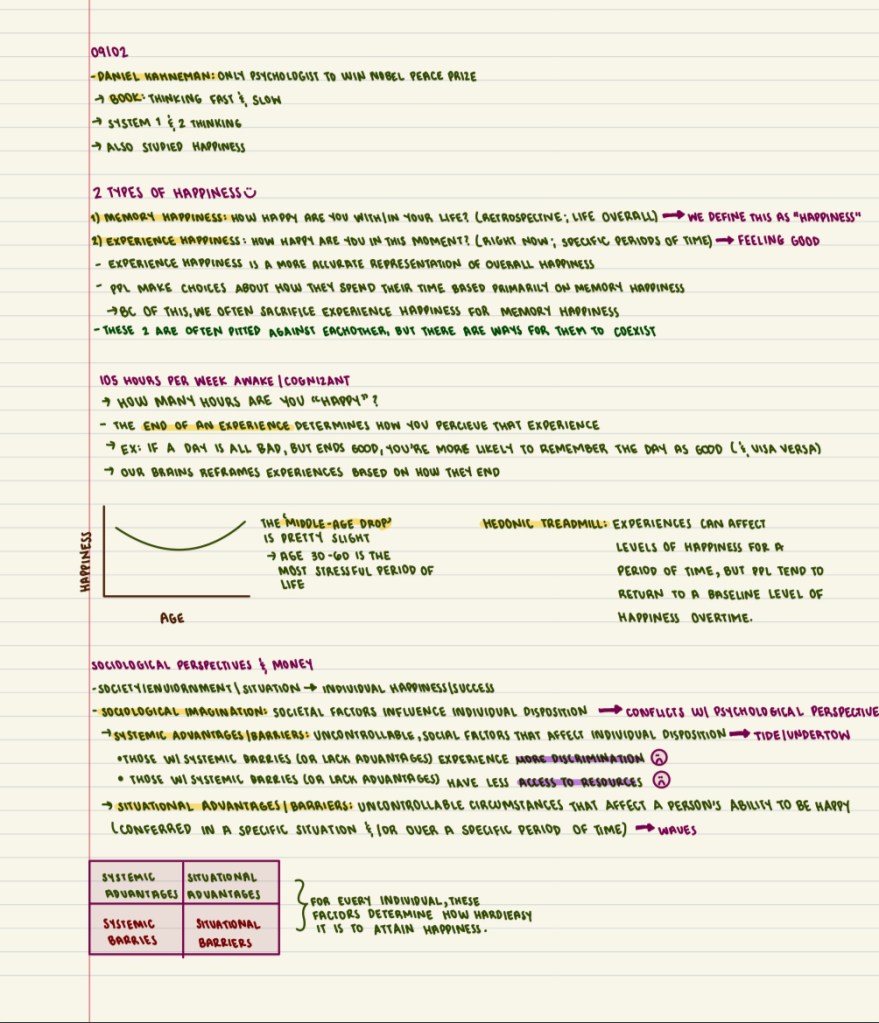
Funny, though, because while pillars these seem intuitive, we often hold on to notions that keep us from strengthening them. We reject small opportunities to feel good or build deeper relationships, then wonder why we crave dopamine like a drug or feel disconnected despite having thousands of people at our fingertips.
There’s a lot to unpack about how social media makes us unhappy, but I want to focus on what we can control: the narratives and rules we embed into our daily lives, starting with the “perfect” daily routine.
Andrew Huberman. Wake up at 5am. Morning sunlight and forward ambulation. Optic flow. Hydrate. Meditate. Exercise — the same four movements each week, every week. Three eggs, two turkey sausages, and half an avocado. Fifteen minute cold shower. Three stream-of-consciousness journal pages. One uninterrupted 90-minute work block. And, that’s how you achieve true happiness.
Well, maybe — if you have limited control over your time. But rigidly mapping out our days in pursuit of productivity and happiness actually goes against the principle of life meaning. Routine certainly has benefits. As a creature of habit, I can vouch for the joy that comes from repeating certain, daily actions. But I also recognize the privilege of having agency over one of life’s most valuable resources — time.
Routine might get you good grades, a great job, and conventional success. But it won’t give you time. One day, I may be someone without agency over how I spend my days — a woman with a nine-to-five, kids to drop off, dinner to cook, and taxes to file. So while my life is still my own, why organize it into monochrome blocks that steal that privilege away? When I have the chance to engage in what positive psychology calls “situation selection,” why choose things that promise happiness later at the expense of it today?


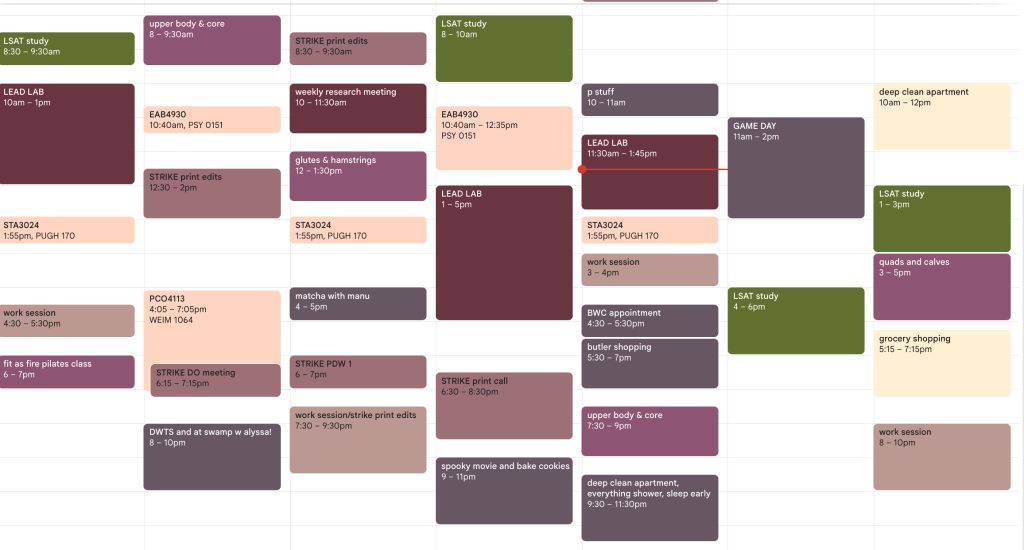
Situation selection is about knowing which activities make you feel good — and doing them consistently. How do you spend a free hour in the middle of your day? I used to waste it locked in my room doing busywork with a random sitcom playing and Pinterest open in another tab, trying to do everything on my to-do list while squeezing in scraps of rest.
Now, I’m intentional. I have a “situation selection” category in my Google Calendar and, each day, I do one thing that brings me joy. I have fun on weekdays. On Tuesday, I watched Dancing with the Stars with a friend at a local sports bar. Today, I’ll window shop alone and chat with a cashier. Tomorrow, I’ll watch the sunset and call my mom because I miss her. These moments are scheduled in my calendar, as important as any meeting beside them. Routine is nice, but spontaneity, hand-selecting the moments that make up your life, is what makes it meaningful.
Another thing I did this week, for the first time in a while, was make a new friend. It’s been about two years since I actively sought to expand my social circle. As a freshman, I wanted nothing more than a big group of people who understood me. I felt ashamed of that desire, but I now know it’s simply human nature to yearn for connection — one of the foundational pillars of happiness.
No New Friends. The motto plastered under Instagram captions of nonchalant boys and the Drake lyrics they listen to. It seems reasonable: why make new friends if you already feel supported? The problem is, it convinces us to build walls that block us from the number one predictor of happiness — good relationships.
Sure, a few strong relationships can be enough, but sustaining them takes more effort than most people acknowledge: consistent interaction, mutual need, and compatibility. With so many factors at play, it’s rare to find relationships that satisfy them all — which is exactly why we should always be open to discovering the magic of new friends. When I meet someone who shares my interests and invests effort into building a friendship, I see it as a precious opportunity.
Somewhere along the way, I stopped trying — out of complacency or maybe conformity. When everyone shuts their windows and bolts their doors, knocking feels pointless. But when I was invited to just sit, and drink matcha, and talk, I realized what I’d been missing: new perspectives and new memories. I don’t need new friends, but I’ll always keep my windows open, letting the light in and looking out for the next person who could become one.
What does it mean to be happy? Can money buy happiness? Can anything? Are we always stuck on the hedonic treadmill looking for the next thrill before slipping back into monotony? I don’t have all the answers. But I do know I’m more equipped now to lead a life filled with good feelings, good relationships, and true meaning. Happiness looks different for everyone, but it comes down to knowing what it means to you and actively seeking opportunities to build it. For me, it’s a quiet cup of coffee at 7 a.m. It’s writing articles with big words for a small audience. And most of all, it’s being grateful for the strength I have to break down any barriers to joy before me.
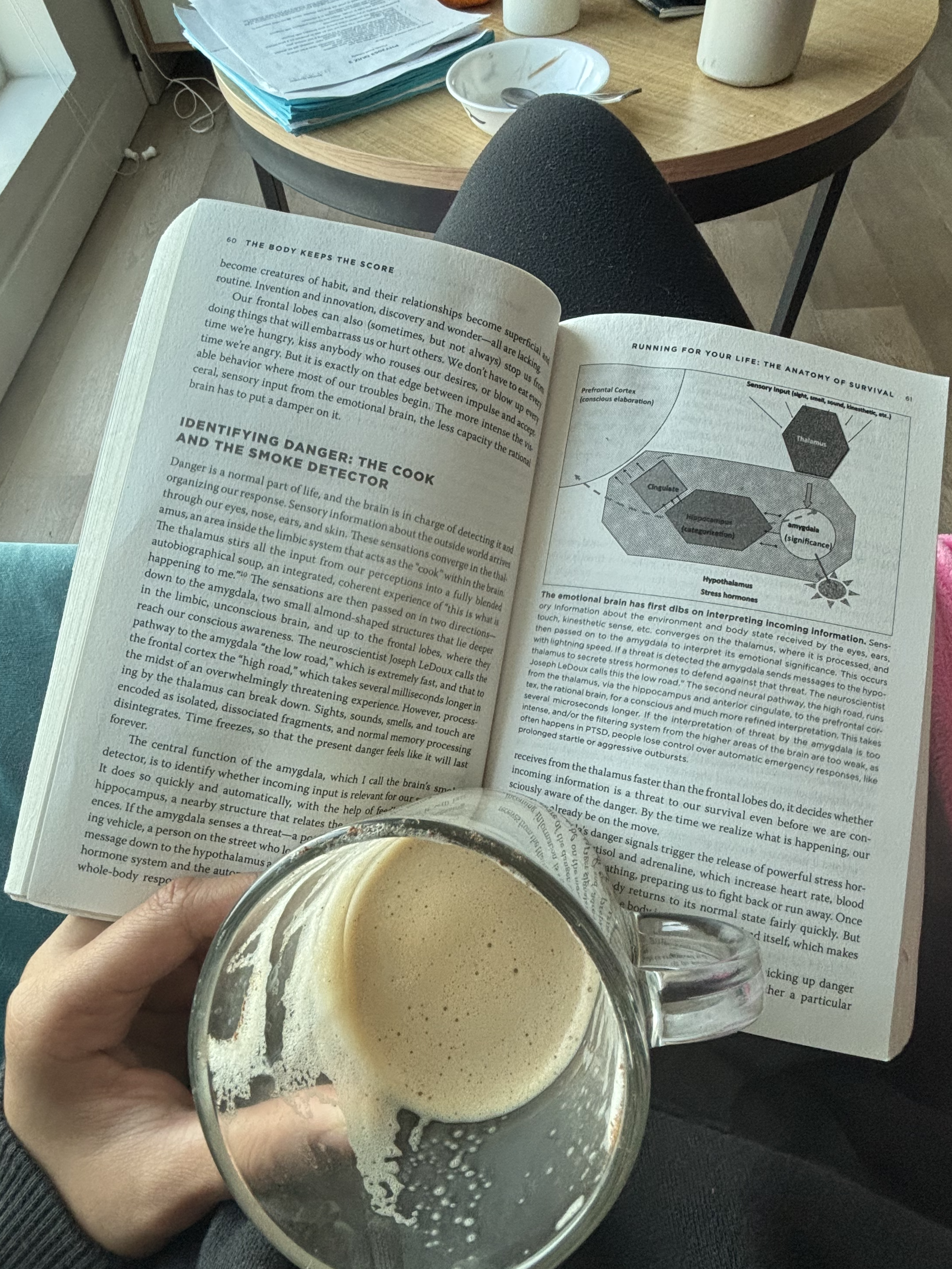
“Success is getting what you want. Happiness is wanting what you get.” -Dale Carnegie
Happy Living
 chocolate and politics